Valentine’s Day Color Guide: Palettes, Meanings and Color Codes
 Abdullah Shahid
 Valentine’s Day is more than hearts and red roses. Behind every Valentine’s Day color palette is a mood: passionate red, soft blush pink, mysterious purple or cozy neutrals. If you design websites, social posts, emails or print materials, a strong Valentine’s Day color scheme can make the difference between “just another seasonal graphic” and something people actually remember and click. In this guide, I will walk you through:
- What the classic Valentine’s Day colors are and what they mean
- How different cultures and “Valentine’s color coding” interpret those colors
- Ready-to-use Valentine’s Day color palettes with HEX and RGB codes
- Practical tips for picking a Valentine’s Day color scheme for your brand or campaign
I will keep it practical and design-friendly, so you can plug these palettes straight into Canva, Figma, your Shopify theme or email builder.
What Are The Valentine’s Day Colors?
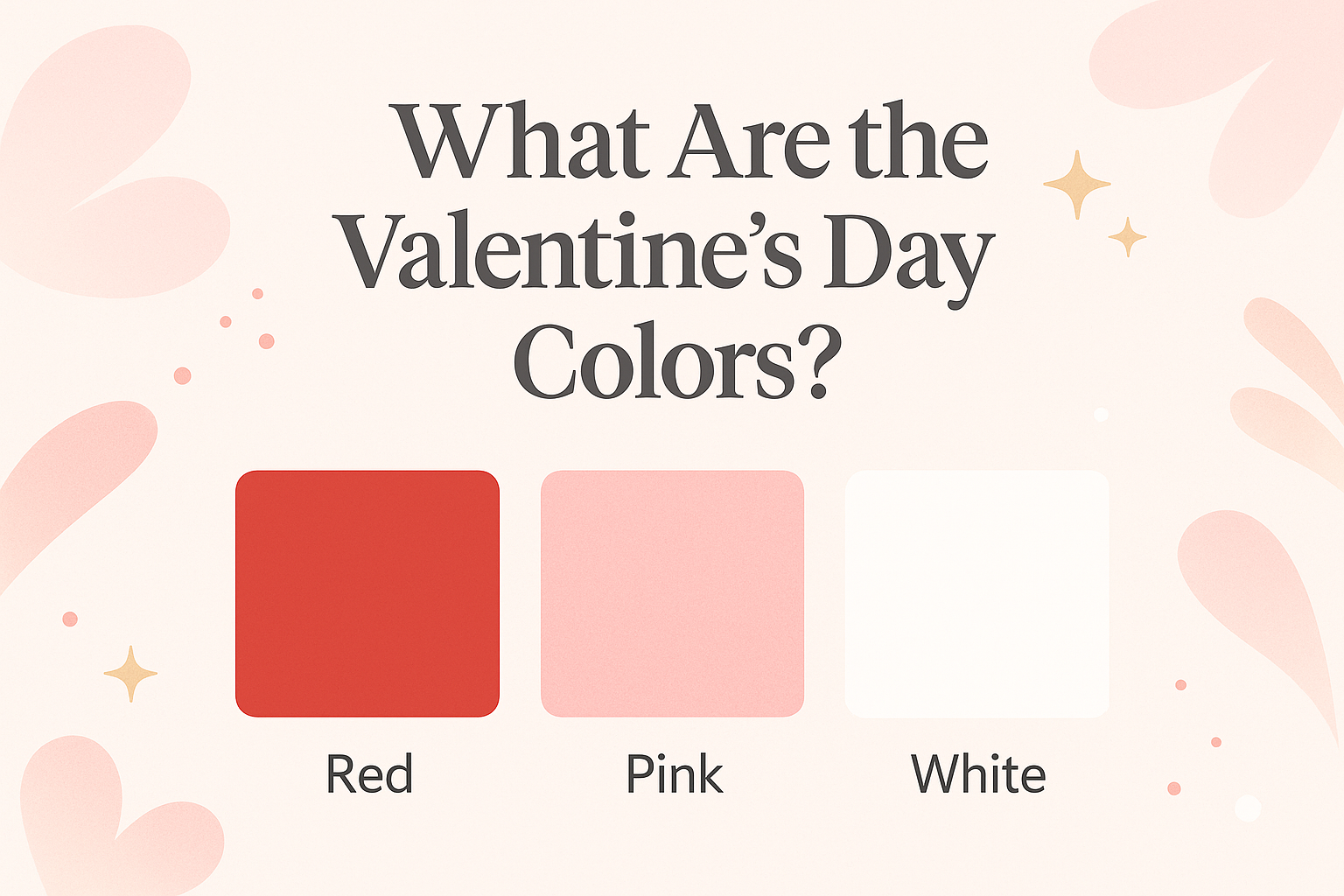 Most sources agree that the “official” Valentine’s Day colors are red, white and pink. If you walk into a florist or a Valentine-themed restaurant, these three shades dominate bouquets, decor and packaging.
Here is the quick overview:
Most sources agree that the “official” Valentine’s Day colors are red, white and pink. If you walk into a florist or a Valentine-themed restaurant, these three shades dominate bouquets, decor and packaging.
Here is the quick overview:
- Red: passion, deep romantic love, desire
- Pink: sweetness, affection, young love, friendship
- White: purity, sincerity, long-lasting commitment
Many modern Valentine’s Day color schemes also include: - Purple and lavender for mystery, enchantment and refined romance
- Gold for celebration, luxury and special occasions
- Black for “anti-Valentine” vibes or chic, dramatic contrast
- Pastel tones (peach, lilac, dusty rose) for softer, modern Valentine aesthetics
So when people ask “what are the Valentine’s Day colors?”, the simple answer is red, pink and white, but in design and marketing, we now work with a much richer Valentine’s Day palette.
Colors Of Valentine’s Day With Meaning
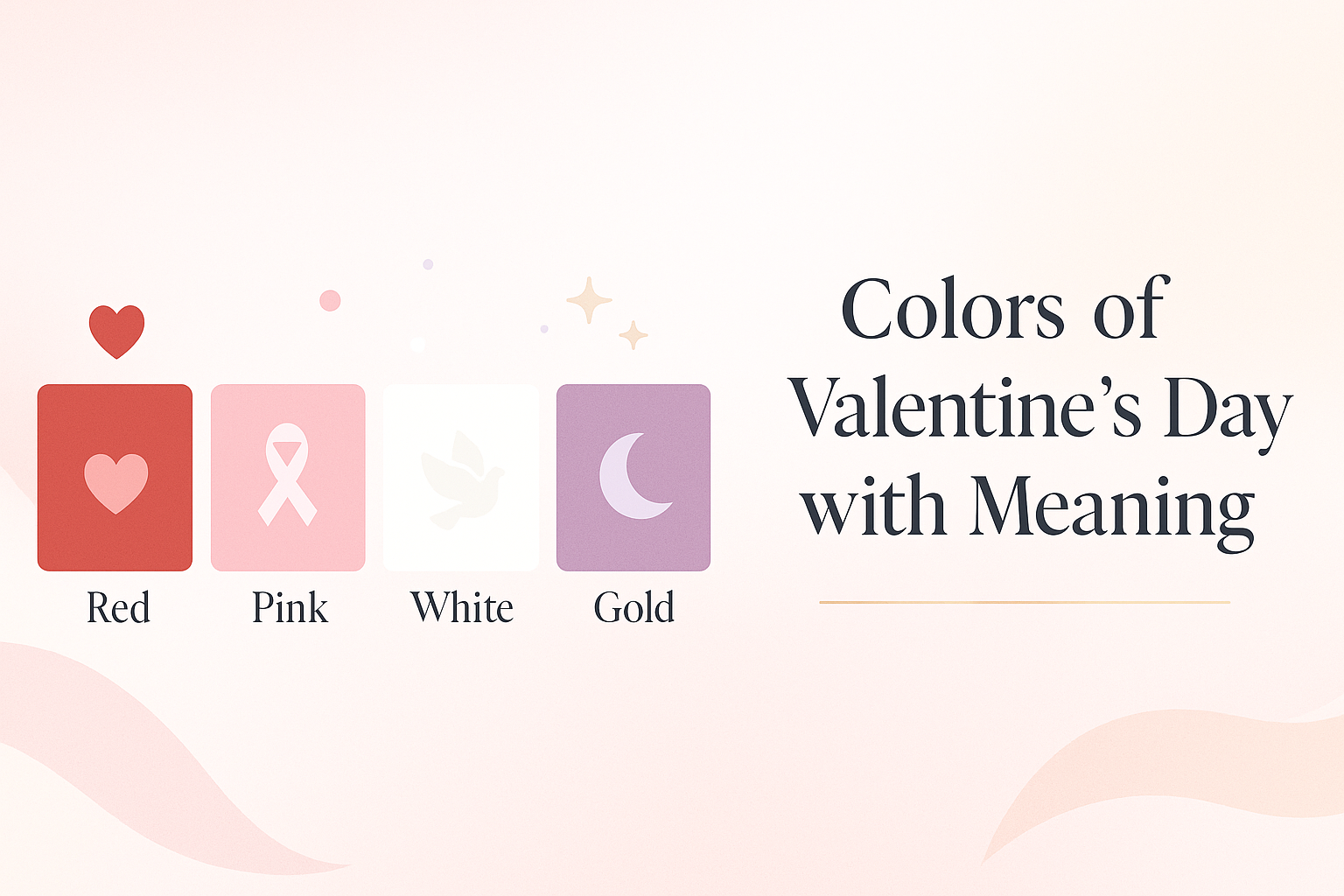 Let’s break down the colours of Valentine’s Day and what each one usually communicates. Keep in mind that meaning can shift across cultures, but these are widely used associations.
Red: Classic Valentine Color
Meaning: Passion, romantic love, desire, intensity
Why it fits: Red roses account for the majority of Valentine’s Day flower sales and are strongly tied to romantic love.
Use it when: You want a bold, unmistakably romantic Valentine’s Day color scheme. Great for hero sections, sale banners and primary buttons.
Example HEX / RGB:
- Deep Valentine red: #C8102E (RGB 200,16,46)
- Classic bright red: #FF0000 (RGB 255,0,0)
Pink: Soft, Cute and Inclusive
Meaning: Affection, sweetness, playful love, kindness
Why it fits: Pink is literally a blend of red and white, so it visually feels like “softened love”. It works well for newer relationships, friends, family and Galentine’s content.
Use it when: You want a friendly, less intense Valentine color palette that still feels on-theme.
Example HEX / RGB:
- Blush pink: #F9C2D1 (RGB 249,194,209)
- Hot pink accent: #FF4F8B (RGB 255,79,139)
White: Pure and Timeless
Meaning: Purity, sincerity, commitment, “made to last” love
Why it fits: White roses and bridal white are linked with weddings and lifelong partnerships, so white adds a sense of clean, enduring love.
Use it when: You need breathing room in a busy Valentine’s Day design.
Example HEX / RGB:
- Pure white: #FFFFFF (RGB 255,255,255)
- Soft off-white: #F7F3F0 (RGB 247,243,240)
Purple & Lavender: Mysterious, Luxurious Love
Meaning: Enchantment, mystery, charm, sometimes regal or noble love
Why it fits: Editorial and decor guides recommend purple as an underrated Valentine’s accent that feels romantic without being cliché.
Use it when: You want your Valentine’s Day color palette to feel different from the classic red-pink combo.
Example HEX / RGB:
- Rich purple: #7A3DAF (RGB 122,61,175)
- Soft lavender: #E6D9FF (RGB 230,217,255)
Gold & Yellow: Celebration and Joy
Meaning: Warmth, happiness, optimism, celebration
Why it fits: Many modern Valentine’s Day palettes pair blush and gold for a luxurious, gift-ready feeling.
Use it when: You design product packaging, gift guides or landing pages that center around “special occasion” energy.
Example HEX / RGB:
- Metallic-style gold: #D4AF37 (RGB 212,175,55)
- Warm honey yellow: #FFC857 (RGB 255,200,87)
Black: Anti-Valentine or High Contrast
Meaning: Rebellion, heartbreak, or simply elegance and contrast
Why it fits: “Valentine’s dress code” articles often frame black as a symbol for rejection or “not interested”, but designers also use black as a chic accent with pink or red.
Use it when: You want a darker Anti-Valentine campaign or strong contrast for text.
Example HEX / RGB:
- Soft black: #1A1A1A (RGB 26,26,26)
Blue, Green, Orange and the “Valentines Color Coding” Trend
On social media and in dress-code posts, you will see valentines color coding lists:
- Blue – open to proposals or thinking about one
- Green – waiting or hopeful
- Orange – ready to propose
- Yellow – just broke up (in some lists)
These are less universal and more playful cultural trends. From a design point of view, blue, mint, sage green and soft orange are great for non-romantic Valentine campaigns aimed at friends, co-workers or family.
How To Choose A Valentine’s Day Color Palette For Your Brand
 Before you grab the nearest red, it helps to be intentional about your Valentines Day color scheme:
Start with the emotion you want
- Passionate and intense -> deep reds, hot pinks, dark purple
- Soft and cozy -> blush, dusty pink, cream, muted mauve
- Playful and young -> bubblegum pink, coral, fresh teal accents
- Anti-Valentine or edgy -> burgundy, black, metallics
Layer your palette
- Most guides recommend 3–5 core colors: one dominant, one secondary, plus neutrals and accents.
Consider the medium
- For social media, you can use bolder saturation.
- For email, think about readability, so contrast between text and background matters more than fancy gradients.
- For print, you may need CMYK equivalents and slightly adjusted shades.
Blend brand colors with Valentine’s Day colors.
- You do not need to throw your brand identity away each February. Use one Valentine accent (red, pink, purple) and harmonize it with your existing brand palette.
Test your Valentine color palette.
- Tools like Piktochart’s palette guides emphasize testing combinations in context.
- Drop your palette into a mock social post or hero section and check legibility, mood and visual hierarchy before you ship.
Get This Free Valentine’s Day Template for Shopify
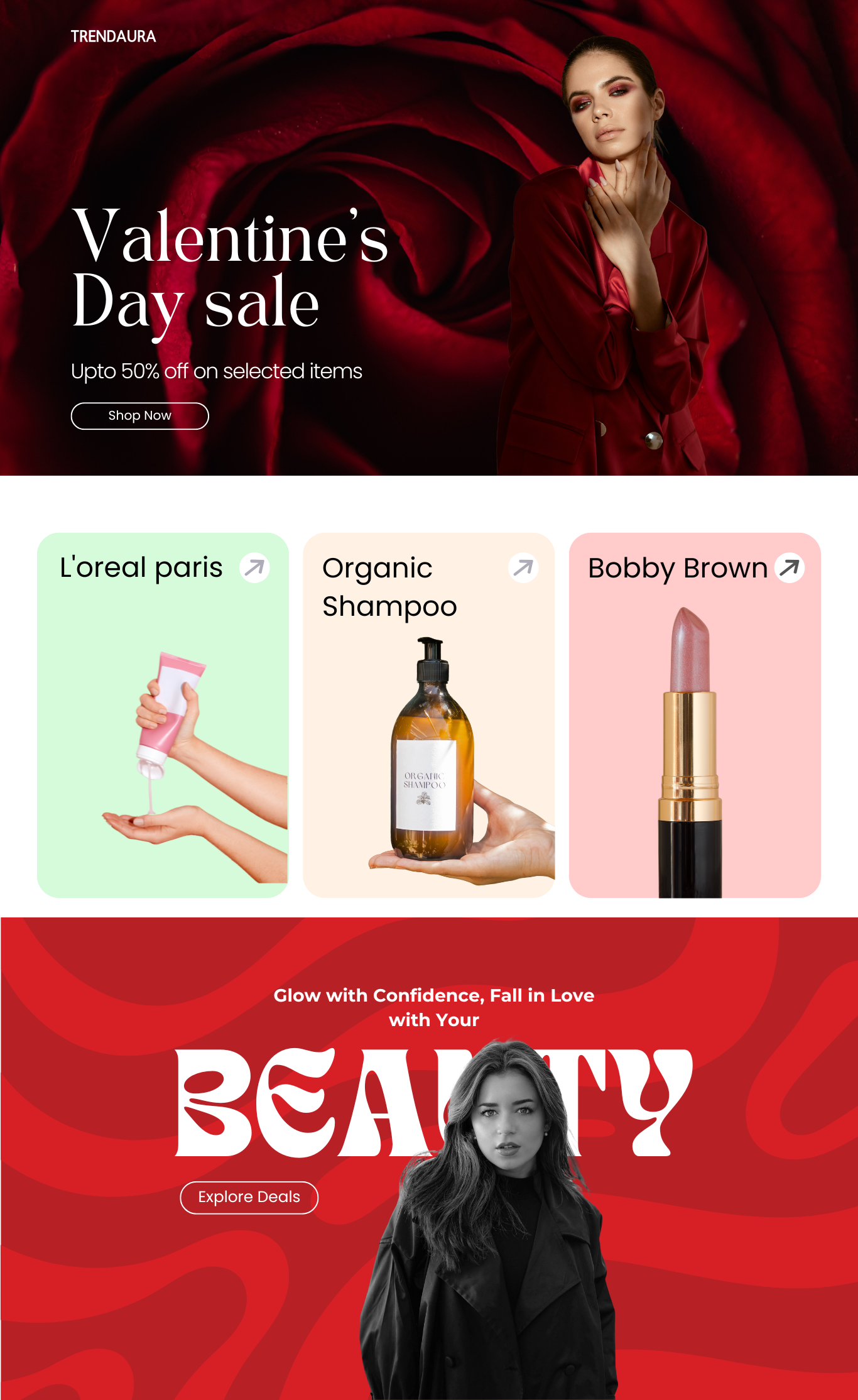
- Design in Canva: You already love Canva’s drag-and-drop editor. With Canvify, you can “design your Shopify pages in Canva”, using any Valentine-themed template or custom art.
- Turn it into a Shopify page: Canvify “turns your Canva designs into native Shopify pages”.
- No coding needed.
- Mobile-friendly magic.
Example Valentine’s Day Color Palettes And Color Codes
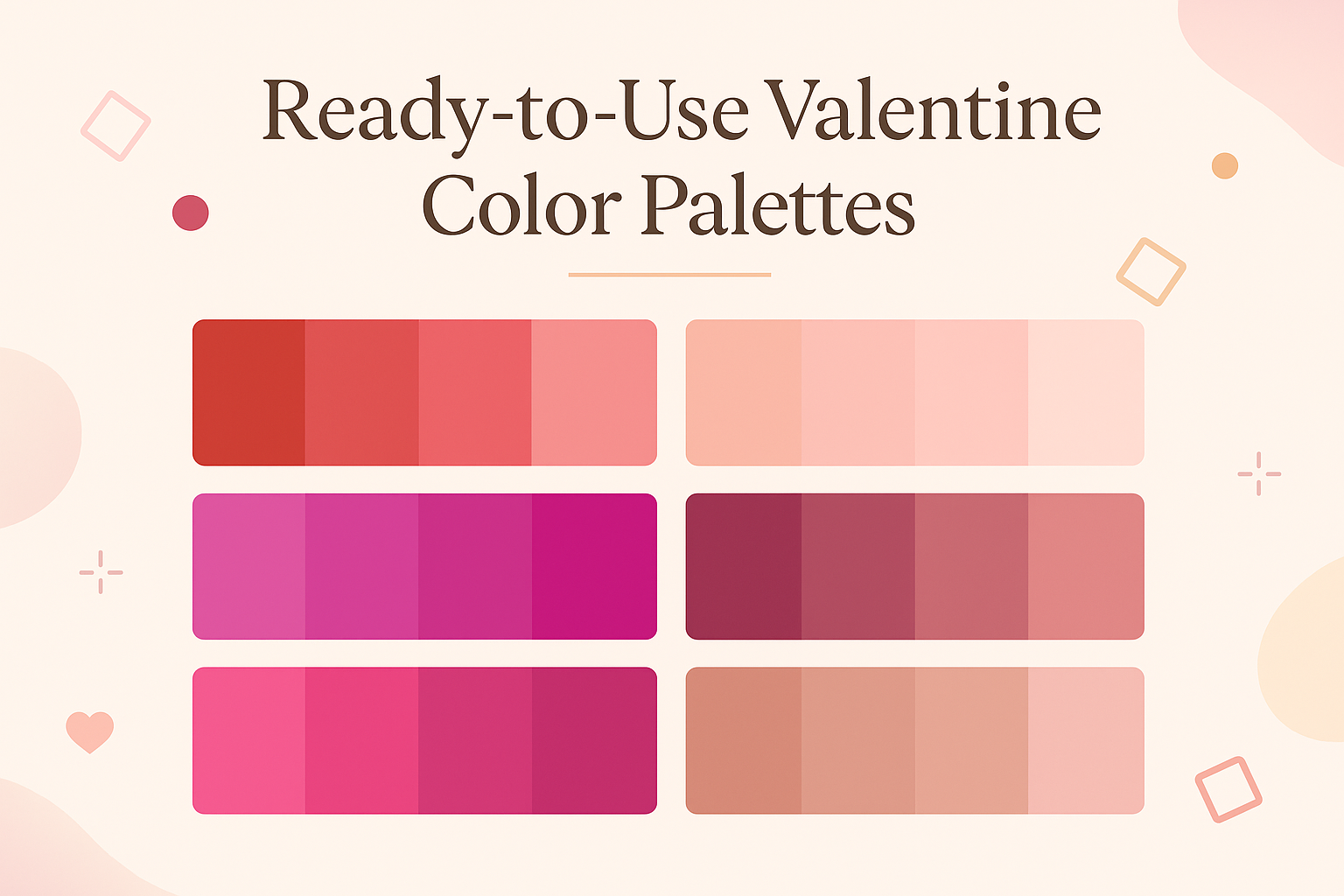 Here are some ready-made valentines color palettes with HEX codes.
1. Classic Romance: Valentine’s Day Colors At Their Purest
Perfect for: traditional Valentine’s pages, romantic gift brands, florists.
- Deep red: #C8102E
- Mid red: #E63946
- Blush pink: #F9C2D1
- Off-white: #F7F3F0
- Gold accent: #D4AF37
This palette leans into the classic red-pink-white triad.
2. Soft Pastel Love: Gentle Valentine Color Palette
Perfect for wellness brands, stationery, lifestyle blogs.
- Dusty rose: #D88CA3
- Blush: #FAD0D8
- Lavender: #E6D9FF
- Warm cream: #FFF4E6
- Soft gray: #D1D5DB
3. Bold Modern Valentine: For Fashion And DTC Brands
Perfect for fashion, beauty, modern ecommerce.
- Fuchsia: #FF2C91
- Coral red: #FF5A5F
- Deep plum: #5B1A3B
- Charcoal: #1F2933
- Pale pink: #FFE6F0
4. Minimal Monochrome Pink: Clean Valentine’s Day Palette
Perfect for minimalist brands.
- Deep raspberry: #C2274C
- Medium pink: #F06292
- Very light pink: #FFE9F2
- White: #FFFFFF
- Soft black: #1A1A1A
5. Galentine’s Day Palette: Friendship And Self-Love
- Peach: #FFB38A
- Warm pink: #FF6F91
- Magenta: #E00070
- Warm yellow: #FFD166
- Soft cream: #FFF7E6
6. Moody Valentine: Anti-Valentine Or Luxe Night Out
- Burgundy: #66101F
- Deep wine: #8B0000
- Dark plum: #3B1634
- Rose gold: #D9A5B3
- Soft beige: #F2E6DE
Valentine’s Day Color Scheme Ideas By Channel
Once you have your valentines color scheme, it helps to adapt it for different places.
1. Social Media Posts
- Use the strongest two colors for backgrounds and headline text.
- Reserve very bright red or pink for CTA buttons, stickers or Stories elements.
- Carousels work well with a repeating base color and alternating accent colors for variety.
2. Email Campaigns
- Use a white or very light pastel background.
- Keep red or fuchsia for key elements: buttons, offers, small icons.
- Check contrast ratios so text remains readable on mobile.
3. Valentine’s Landing Pages
- Marketing guides emphasize that the right valentines day colors and layout can dramatically impact conversions.
- Hero section: one bold Valentine color (red, deep pink or purple) behind the main headline.
- Product grid: more neutral backgrounds, with Valentine colors used for price tags, badges and hover states. Keep your Valentine’s Day color scheme consistent across banners, popups and checkout to create a cohesive feel.
Valentine’s Day Color Coding And Dress Code Trends
If you create content around valentines color coding, especially on social media, you can reference the popular “Valentine’s day dress color meaning” lists. Common examples:
- Red – in love or taken
- Pink – proposal accepted
- Blue – open to proposals
- Green – waiting
- Yellow – friendship or breakup
- Black – not interested
These are fun for:
- Interactive posts asking “What color are you wearing this Valentine’s Day and why?”
- Infographics titled “Colours of Valentine’s Day and what they signal”
- Campaigns where you match product colors to “relationship statuses” Just remember to frame them as playful, not strict rules, since color meanings differ across cultures.
Valentine’s Day Color Codes (HEX And RGB Cheat Sheet)
Here is a small Valentine’s color code cheat sheet you can paste into your design tool or CSS.
| Color name | HEX | RGB | Use case |
|---|---|---|---|
| Classic Valentine Red | #E63946 | 230,57,70 | Buttons, hearts, badges |
| Deep Romance Red | #C8102E | 200,16,46 | Backgrounds, roses |
| Blush Pink | #F9C2D1 | 249,194,209 | Backgrounds, cards |
| Hot Pink | #FF4F8B | 255,79,139 | Callouts, young campaigns |
| Soft Lavender | #E6D9FF | 230,217,255 | Backgrounds |
| Rich Purple | #7A3DAF | 122,61,175 | Premium headings |
| Warm Gold | #D4AF37 | 212,175,55 | Luxury touches |
| Cozy Cream | #F7F3F0 | 247,243,240 | Backgrounds |
| Soft Black | #1A1A1A | 26,26,26 | Text, high contrast |
You can easily expand this into your own valentine day color codes library by picking tints and shades of each base color.
Trends In Modern Valentine’s Day Palettes
 Looking at recent design and marketing guides, a few trends stand out:
Beyond red and pink
Palettes now often include lavender, sage, warm browns and soft neutrals to create more nuanced Valentine’s aesthetics.
Pastel + bold accent
Designers like to pair very soft pastels with one intense accent color (for example, pale blush with neon pink or bright red) to keep designs modern and eye-catching.
Minimal color schemes
Instead of using a rainbow of Valentine tones, many professional designs use only two or three colors in a balanced way, which looks more premium and easier to brand.
Cultural nuance
Color perception differs by region, so global campaigns mix traditional Valentine’s Day colors with local color symbolism, especially in Asia and the Mediterranean.
Digital-first Valentine’s Day palette
With so much activity happening on social and mobile, Valentine’s colors are now chosen with screens in mind: good contrast, strong visibility in a feed, readable text on small displays.
Final Thoughts
A good Valentine’s Day color palette does more than “look romantic”. It sets the emotional tone, guides the eye and helps your brand feel intentional. If you remember three things:
- Start with the meaning you want to convey and pick colors that support that story.
- Build a focused Valentine’s Day color scheme with 3–5 colors, not fifteen, and test it in real designs.
- Keep a small library of Valentine’s Day color codes handy so you can move from idea to implementation quickly. Once your colors are locked in, everything else becomes easier: headlines, imagery, typography and layout all snap into place around a clear visual mood. That is the power of choosing your Valentine’s Day colors on purpose